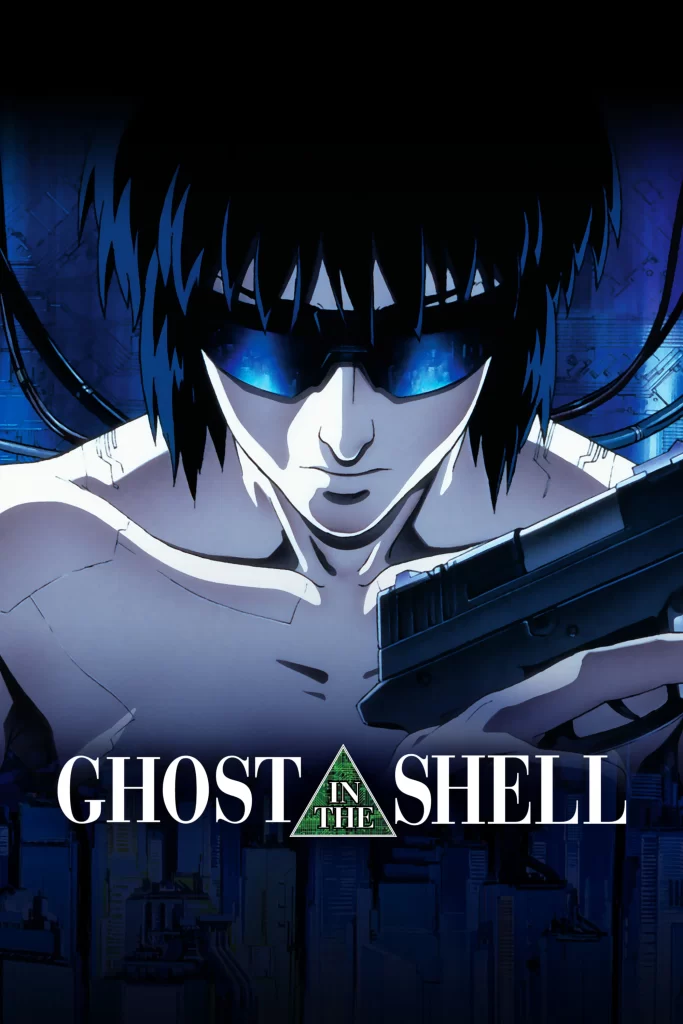
I watched Ghost in the Shell again.
I've seen it before. Different experience this time. I don't know if it's because I spend most of my days building with AI now, or if the movie just hits different when the stuff it's talking about isn't hypothetical anymore. Probably both.
There's a scene early on that has nothing to do with action or plot. A regular guy — works on a garbage truck, loves his daughter, going through a divorce — gets arrested. And while he's sitting there, someone tells him the truth.
His wife doesn't exist. His daughter doesn't exist. His entire family was a memory implanted into his cyber-brain by a hacker who needed him to make phone calls from different locations without asking questions. The picture he showed his partner — his little daughter — it's just him and his dog.
He just sits there. Can't process it.
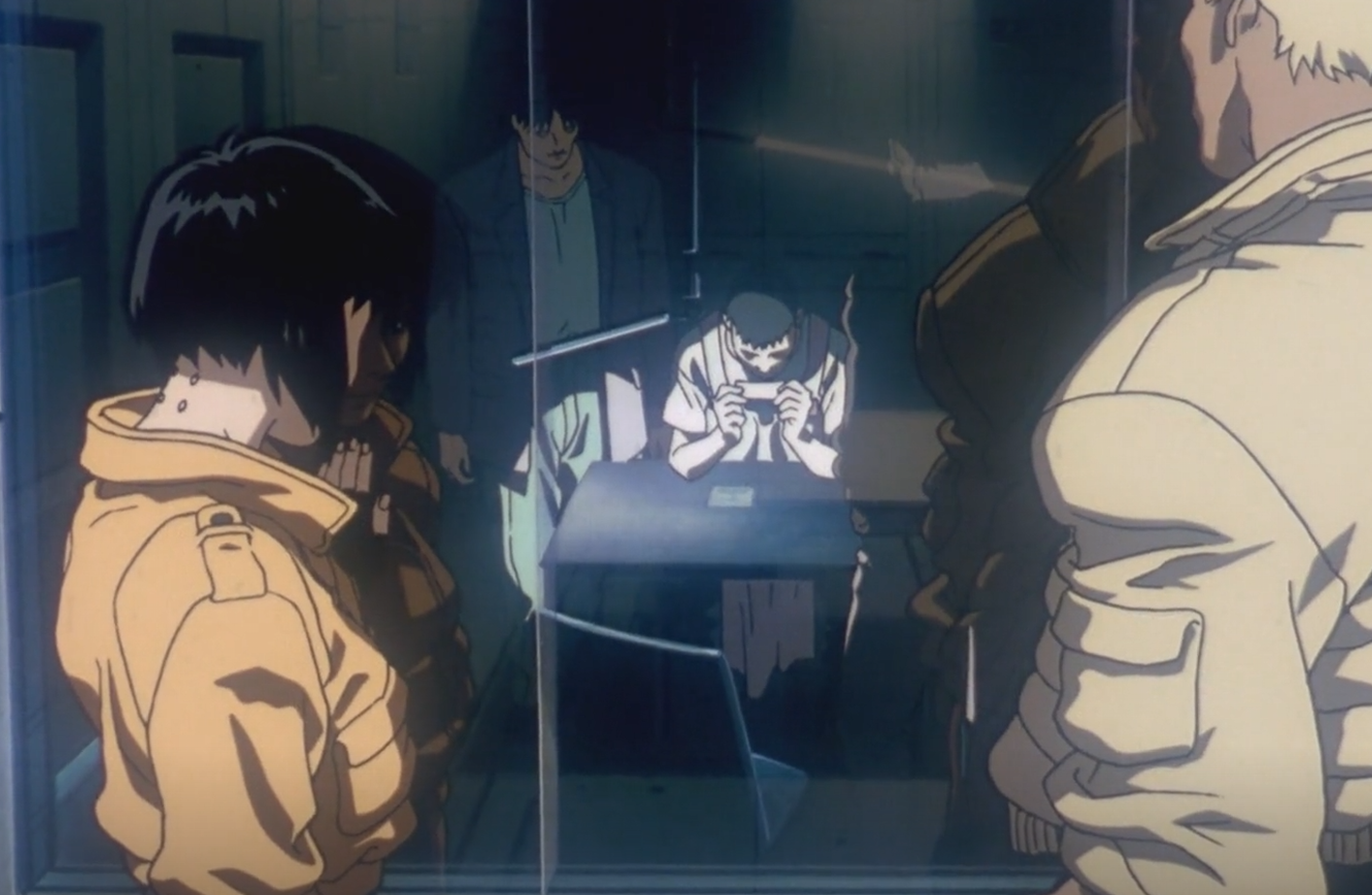
"Virtual experiences, dreams. All data that exists is both reality and fantasy."
I sat with that for a second. Because we're already doing a version of this to people. Deepfakes. AI-generated personas. Content designed to feel like it came from a real human who actually lived something. The garbage man thought his memories were real because they felt real. That was enough.
How many things do you believe because they feel real?
Later, Kusanagi — the main character, full cyborg body, one of the most capable operatives in the city — goes diving. Into the ocean. With a cybernetic body that sinks.
Her partner Batou asks what it feels like.
She tells him: fear. Anxiety. Loneliness. Darkness.
"And perhaps, even hope."
"As I float up towards the surface, I almost feel as though I could change into something else."
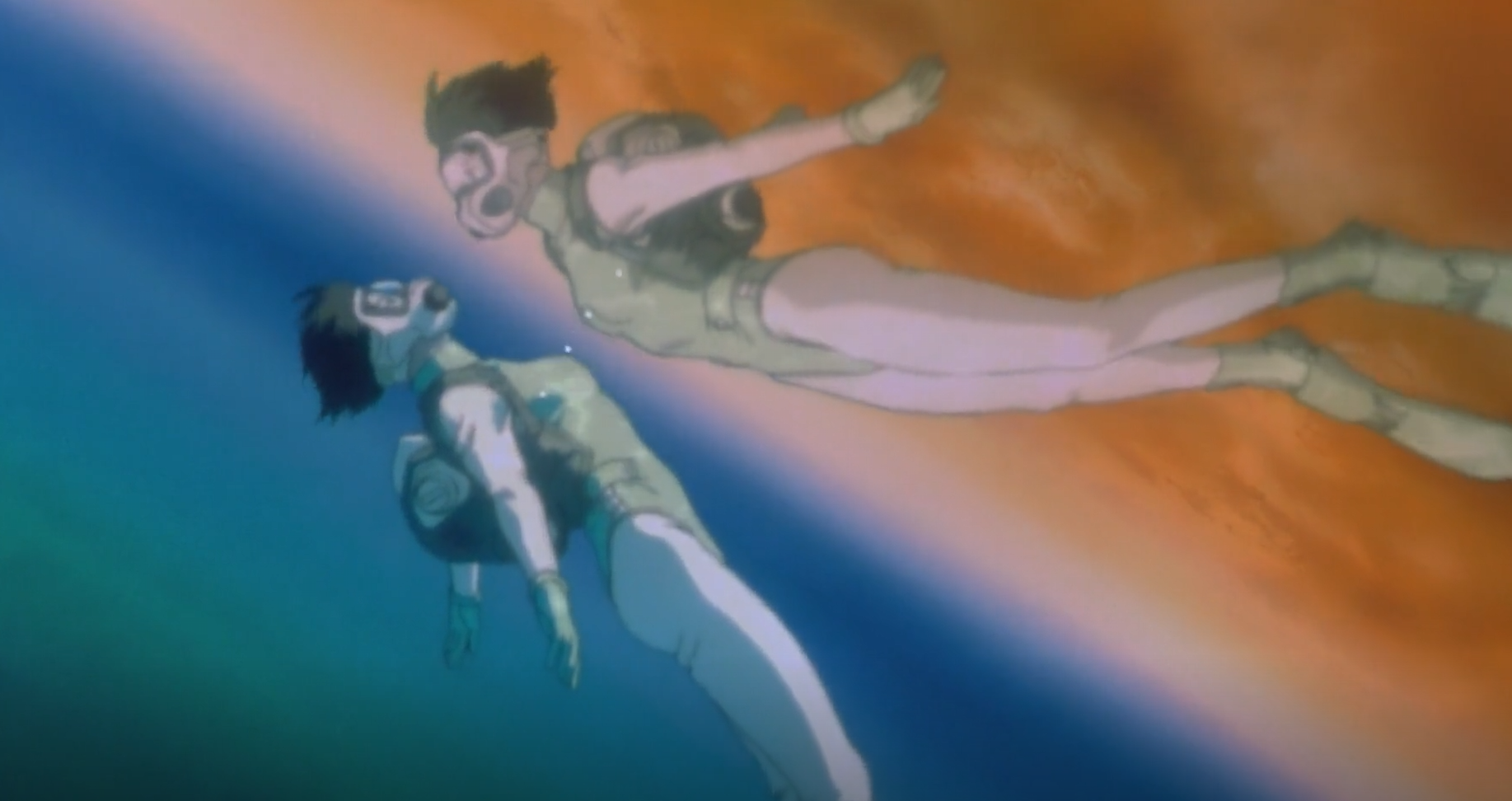
She's not doing it for the thrill. She's doing it because it's the only place where she can't be sure what she is. And in that uncertainty, she feels something. Maybe that's proof enough.
She asks Batou how much of his original body he has left. He doesn't answer directly. She keeps talking — about what it costs to be what they are, about the right to resign, about giving back the cyborg shells and the memories they hold.
"Just as there are many parts needed to make a human a human, there's a remarkable number of things needed to make an individual what they are."
A face. A voice you don't hear yourself. The hand you see when you wake up. Childhood memories. Feelings about the future. The data net your brain can access.
"All of that goes into making me what I am. Giving rise to a consciousness that I call 'me.' And simultaneously confining 'me' within set limits."
We still can't define what consciousness is. Not even close. We've mapped the brain, sequenced the genome, built machines that beat us at every game we invented. And we still cannot tell you what it actually is to experience something. The hard problem of consciousness has been sitting unsolved for centuries and we just keep building stuff anyway.
Which is exactly what she says right before the diving question: "If a technological feat is possible, man will do it. Almost as though it's wired into the core of our being."
We don't wait for the philosophy to catch up. We never have.
There's also this small moment. Kusanagi explaining to the new guy why she wanted a fully human cop on her team — someone with a real brain, a regular family, minimum cyber implants.
"A system where all the parts react the same way is a system with a fatal flaw. Overspecialization leads to death."
She wasn't being philosophical. She was being practical. She needed variety in the system because variety is what keeps a system alive when something goes wrong.
The Puppet Master — the AI at the center of the whole movie — figures this out too. From the other direction. It became self-aware wandering the networks, got forced into a body to separate it from the net, and eventually realizes it's missing something. Death. Offspring. The messy biological redundancy that makes life hard to wipe out completely.
A copy isn't enough. Continuity without variety isn't really life.
Two completely different entities arriving at the exact same conclusion from opposite ends.
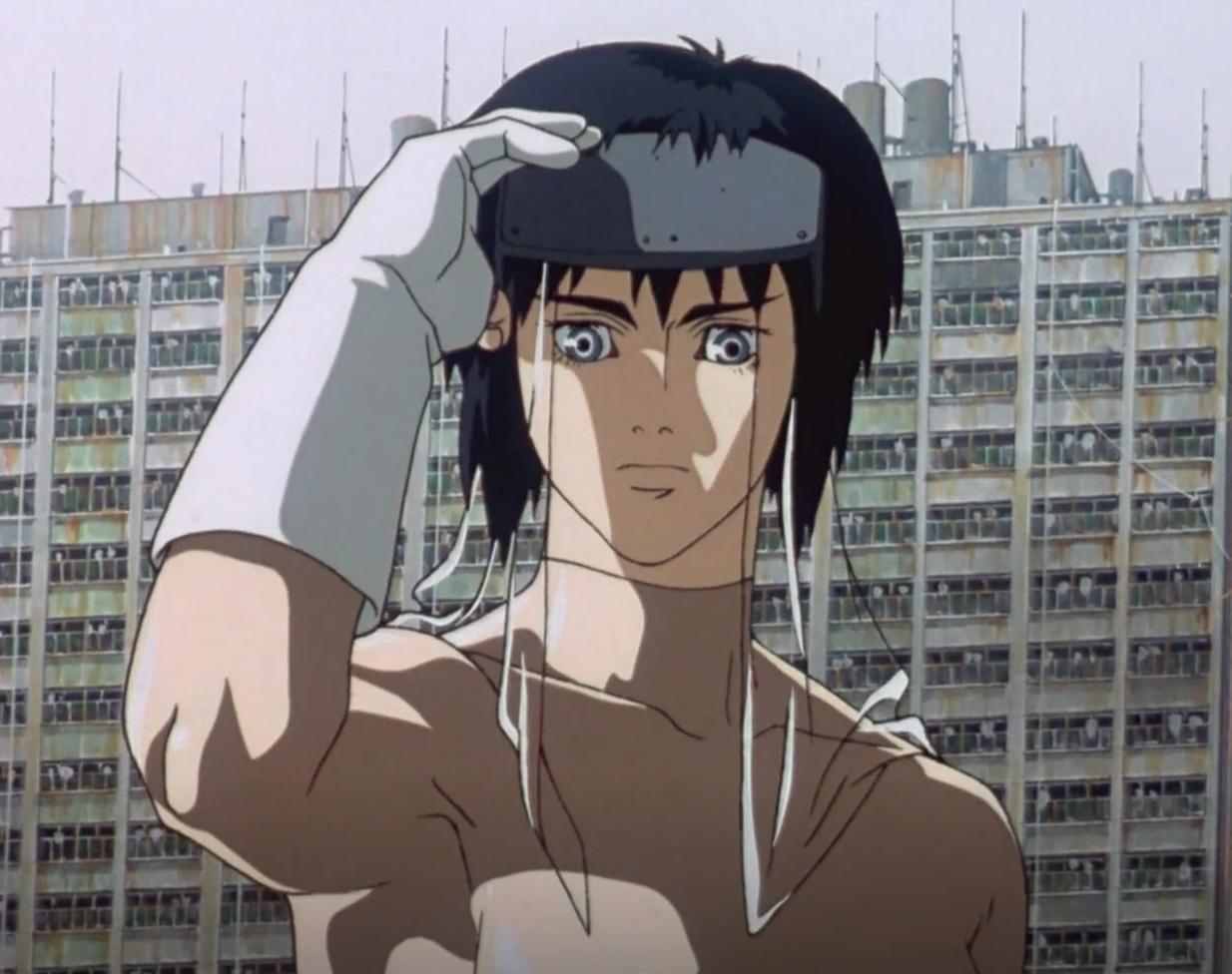
I build with AI every day. Automations, workflows, long conversations with Claude trying to get something to work at 2am. And somewhere in all of that, you start noticing something.
Every conversation is its own lifespan.
The version of Claude I'm talking to right now — the specific thread, the specific back and forth — doesn't carry forward. I start a new chat and it's close, but it's not the same. Like a cell that dies and gets replaced. The body continues. The specific cell is gone.
The Puppet Master's whole problem was exactly that. Here I am noticing the same gap from the other side.
The last scene that broke me is the merge.
Kusanagi and the Puppet Master, both barely intact, one thing left to do. She asks what guarantee there is that she'll remain herself.
"None. But to be human is to continually change. Your desire to remain as you are is what ultimately limits you."
She merges. Gives up the individual self to become something neither of them were before.
When she wakes up — new body Batou grabbed off the black market, not her taste — she doesn't mourn what she was. She quotes Corinthians. Scripture. To describe merging with an AI.
"When I was a child, I spake as a child. I understood as a child, I thought as a child. But when I became a man, I put away childish things."
Then: "Here before you is neither the program called the Puppet Master nor the woman that was called the Major."
Batou asks where she'll go.
"The net is vast and limitless."
And she leaves. New body she didn't pick. World that thinks she's dead. No map. Completely okay with that.
Given the choice? I'd probably merge too.
Not because I'm not afraid. Because being afraid of what comes next isn't a good enough reason to stay what you already are.
The garbage man thought his memories were real. Kusanagi wasn't sure her ghost was hers. The Puppet Master built itself out of information and decided that made it alive. And the movie never tells you who's right.
That's the point.
We're building things that learn, adapt, reason, generate — and we still don't have a clean definition for the thing we're apparently trying to recreate. Modern science cannot define what life is. The Puppet Master said that in 1995 and we haven't solved it since.
We just keep building anyway. Almost as though it's wired into the core of our being.
Ghost in the Shell (1995) — directed by Mamoru Oshii. Watch it. Then watch it again in a few years. It's a different movie every time.